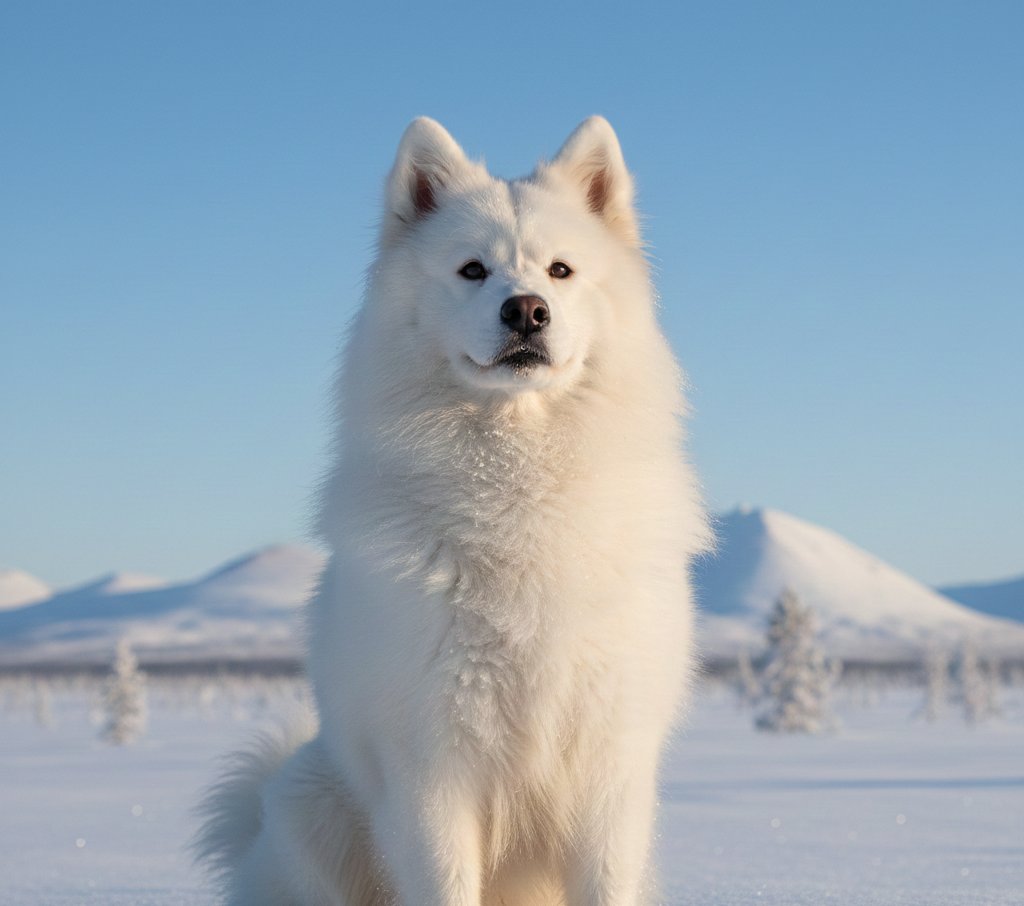
The Alaskan Malamute is one of the most striking and powerful dog breeds in the world, known for its wolf-like appearance, thick double coat, and unmatched endurance. Originating from the cold Arctic regions of Alaska, this breed was developed by the native Inuit people, known as the Mahlemuts, who relied on these sturdy dogs for survival in harsh, frozen landscapes. The Malamute is more than just a working dog it represents a symbol of strength, loyalty, and resilience.
Despite its rugged background, today’s Alaskan Malamute also makes an affectionate family pet for those who can meet its exercise and training needs. In this detailed guide, we’ll explore the breed’s history, physical traits, temperament, training requirements, health considerations, and why owning a Malamute is a unique and rewarding experience.
Breed Overview
| Category | Details |
|---|---|
| Common Name | Alaskan Malamute |
| Scientific Name | Canis lupus familiaris |
| Other Names | Mal, Mally |
| Breed Type | Working Dog |
| Group (AKC) | Working Group |
| Origin | Alaska, United States |
| Developed By | Mahlemut Inuit Tribe |
| Ancestry | Arctic Sled Dogs |
| Purpose (Original) | Heavy sled pulling, transport, hunting assistance |
| Average Lifespan | 10 – 14 years |
| Weight (Male) | 85 – 100 lbs (38 – 45 kg) |
| Weight (Female) | 75 – 85 lbs (34 – 38 kg) |
| Height (Male) | 25 inches (63 cm) |
| Height (Female) | 23 inches (58 cm) |
| Body Type | Strong, muscular, powerful build |
| Coat Type | Dense double coat (soft undercoat, coarse outer coat) |
| Coat Colors | Gray & white, black & white, sable & white, red & white, solid white |
| Eye Color | Brown (blue eyes are not breed standard) |
| Ear Shape | Triangular, erect |
| Tail | Plumed, carried over the back |
| Temperament | Loyal, friendly, strong-willed, affectionate, independent |
| Energy Level | Very High |
| Trainability | Moderate (intelligent but stubborn) |
| Good With Children | Yes (with supervision) |
| Good With Other Dogs | Sometimes (depends on socialization) |
| Prey Drive | High – may chase smaller animals |
| Shedding Level | Heavy (seasonal coat blowouts) |
| Grooming Needs | Frequent brushing (especially during shedding seasons) |
| Climate Suitability | Best suited for cold climates |
| Barking Level | Moderate; tends to “woo-woo” or howl |
| Exercise Needs | Very High – 90+ minutes per day |
| Dietary Requirements | High-protein diet for active, large breeds |
| Health Concerns | Hip dysplasia, hypothyroidism, cataracts, bloat, polyneuropathy |
| AKC Recognition Year | 1935 |
| Best For | Active families, experienced dog owners, cold climates |
| Not Ideal For | Apartment living, hot regions, sedentary owners |
Origin

The Alaskan Malamute’s lineage is ancient possibly thousands of years old making it one of the oldest Arctic sled dog breeds still in existence. The breed was originally developed by the Mahlemut tribe, an Inuit group that lived along the northwest coast of Alaska. These indigenous people depended heavily on their dogs for transportation, hunting, and survival. Malamutes pulled heavy sleds loaded with supplies and were sometimes used in hunting seals or guarding camps against predators. Unlike racing dogs such as the Siberian Husky, which are bred for speed, Malamutes were bred for strength and endurance, capable of hauling heavy loads over long distances in subzero temperatures.
When Western explorers and gold prospectors arrived during the Alaskan Gold Rush of the late 19th century, they encountered these remarkable dogs and quickly recognized their power and stamina. Unfortunately, many original Malamutes were crossbred with other breeds to create faster or smaller sled dogs, which threatened the purity of the breed.
It wasn’t until the early 20th century that dedicated breeders began restoring the Alaskan Malamute to its original form. During World War II, Malamutes served as search and rescue dogs in Arctic missions, further proving their intelligence and strength. In 1935, the American Kennel Club officially recognized the Alaskan Malamute, cementing its place in canine history as one of the most enduring breeds of the Arctic.
Physical Characteristics
Few dogs are as majestic and commanding in appearance as the Alaskan Malamute. This breed embodies the spirit of the Arctic wilderness, with a wolf-like face and a body built for extreme endurance. The Malamute has a large, sturdy frame with well-developed muscles, deep chest, and strong, straight legs. Adult males typically weigh between 85 to 100 pounds (38 to 45 kg) and stand around 25 inches (63 cm) tall at the shoulder, while females are slightly smaller, averaging 75 to 85 pounds (34 to 38 kg) and about 23 inches (58 cm) tall.
The coat is one of the most distinctive features of the Alaskan Malamute. It’s a dense double coat consisting of a soft, insulating undercoat and a coarse, weather-resistant outer layer. This coat protects the dog from freezing Arctic temperatures and allows it to stay warm even in snowstorms.
Common coat colors include various shades of gray and white, black and white, sable and white, red and white, or solid white. The face usually has characteristic markings—a cap over the head, a bar down the nose, and often a mask or open face pattern. Their plume-like tail, carried over the back, is thick and furry, adding to the breed’s Arctic charm.
The Malamute’s eyes are almond-shaped, brown, and expressive—showing intelligence and friendliness. Blue eyes, though common in Siberian Huskies, are not accepted in the Alaskan Malamute breed standard. The breed’s ears are triangular and set wide apart, helping it regulate body heat and minimize frostbite risk in cold conditions.
Temperament
Beneath its imposing exterior, the Alaskan Malamute has a gentle, affectionate heart. It is known for its loyalty, playfulness, and sociable nature. Despite its wolf-like appearance, it is not aggressive by nature. In fact, Malamutes are often described as “gentle giants” who thrive on human companionship. They are pack-oriented dogs, meaning they love being part of a family and can become deeply attached to their owners. This breed does not do well in isolation or when left alone for long periods it craves attention, interaction, and physical activity.
Malamutes are intelligent but also independent thinkers. They were bred to make decisions in harsh environments, which makes them less eager to please than some other breeds. While they can be trained, their stubborn streak requires patience, consistency, and positive reinforcement. They respond best to confident owners who can establish themselves as pack leaders without using harsh methods. The Alaskan Malamute also has a playful and sometimes mischievous side—it may dig, howl, or find creative ways to entertain itself if bored.
Because of their pack instincts, Malamutes generally get along well with people and older children. However, due to their size and strength, they should be supervised around small children to prevent accidental knocks or falls. Early socialization is crucial to help them get along with other dogs and household pets. While many Malamutes can coexist with other dogs, same-sex aggression is not uncommon. Their strong prey drive also means they may chase smaller animals, so introductions to cats or small pets should be handled carefully.
Exercise Needs
The Alaskan Malamute is an athlete at heart. This breed was built for pulling sleds across the frozen tundra, so it’s no surprise that it needs a tremendous amount of exercise. Daily physical and mental stimulation is essential to keep a Malamute healthy and happy. A simple walk around the block is not enough this dog needs at least 90 minutes to 2 hours of vigorous activity each day. Activities like hiking, running, skijoring, weight pulling, or playing in a large, securely fenced yard are perfect for meeting its energy needs.
Without sufficient exercise, Malamutes can become bored and destructive. They may dig large holes, chew furniture, or try to escape in search of adventure. They also love snow and cold weather, making them ideal companions for those living in cooler climates or mountainous regions. However, in warmer climates, exercise should be done during early mornings or late evenings to avoid overheating. Always provide fresh water and shaded rest areas if your Malamute spends time outdoors.
Mental stimulation is equally important. Puzzle toys, obedience training, agility exercises, and even sled pulling (if available) can keep the dog’s mind active. The Malamute’s intelligence means it can learn complex tasks, but keeping training sessions short and engaging will yield better results.
Training
Training an Alaskan Malamute is both challenging and rewarding. While these dogs are intelligent, they are also strong-willed and independent, which can make training a test of patience for first-time dog owners. They respond best to firm but kind leadership—harsh training methods or punishment-based techniques can lead to stubbornness or loss of trust. Positive reinforcement, such as treats, praise, and play, works wonders with this breed.
Start training early, ideally during puppyhood, to instill good habits and boundaries. Focus on basic commands such as “sit,” “stay,” “come,” and “heel.” Leash training is particularly important, as Malamutes are powerful dogs that can pull hard if not taught proper walking etiquette. Consistency is key—once a rule is set, it must be enforced every time to prevent confusion.
Socialization should also begin early. Expose your Malamute puppy to various environments, people, and other animals to ensure it grows into a well-adjusted adult. Because of their pack mentality, they need to learn that humans are the leaders of the household. Without this structure, they may attempt to assert dominance, which can lead to behavioral problems.
Training should not stop once the basics are learned. Advanced obedience, agility, or sled-pulling activities can keep the Malamute mentally challenged and satisfied. Owners should also understand that while the breed can be obedient, it may occasionally “decide” whether or not it wants to comply a reflection of its strong-willed nature.
Diet and Nutrition
Feeding an Alaskan Malamute properly is crucial to maintaining its health, energy, and muscular build. Because this breed is large and active, it requires a high-quality diet rich in protein and healthy fats. Choose dog food that lists real meat (like chicken, lamb, or fish) as the first ingredient. Protein supports muscle development, while fats provide the energy needed for their high activity levels.
Malamutes typically need around 3 to 4 cups of high-quality dry food daily, divided into two meals. However, the exact amount depends on the dog’s size, age, metabolism, and activity level. Overfeeding can lead to obesity, which puts extra strain on their joints and increases the risk of hip dysplasia. Avoid free-feeding, and instead maintain a regular feeding schedule.
Supplements like fish oil (for coat health), glucosamine (for joints), and probiotics (for digestion) can be beneficial, but always consult a veterinarian before adding anything to your dog’s diet. Fresh water should always be available, and treats should be given sparingly, especially during training sessions.
Grooming and Coat Care
Owning an Alaskan Malamute means embracing a lot of fur. This breed sheds heavily, especially during seasonal coat blowouts that happen twice a year—once in spring and once in fall. During these periods, you’ll find hair everywhere: on furniture, floors, and even your clothes. Regular grooming is essential to keep the coat healthy and manageable.
Brush your Malamute at least 2 to 3 times per week, and daily during shedding seasons. Use a slicker brush or an undercoat rake to remove loose fur and prevent matting. Bathing should be done only when necessary, as over-bathing can strip natural oils from their coat. Their thick fur is self-cleaning to some extent, and regular brushing often keeps it looking pristine.
In addition to coat care, trim their nails regularly, clean their ears to prevent infections, and brush their teeth several times a week to maintain oral hygiene. Grooming is also a great bonding activity and helps you check for any unusual skin issues or parasites.
Health and Lifespan
The Alaskan Malamute is generally a healthy and hardy breed, thanks to its working heritage. However, like all purebred dogs, it is prone to certain genetic and health conditions. Responsible breeders test their dogs for common issues, which include:
Hip Dysplasia: A genetic condition where the hip joint doesn’t fit properly, leading to arthritis or mobility issues.
Hypothyroidism: A hormonal disorder that can cause weight gain, lethargy, and coat changes.
Inherited Polyneuropathy: A neurological disorder that affects coordination and muscle control.
Cataracts and Retinal Atrophy: Eye conditions that can impair vision.
Bloat (Gastric Torsion): A life-threatening condition that causes the stomach to twist, often seen in large, deep-chested breeds.
The average lifespan of an Alaskan Malamute is around 10 to 14 years, depending on health, genetics, and lifestyle. Regular veterinary checkups, a balanced diet, and consistent exercise contribute significantly to their longevity.
Alaskan Malamute vs Siberian Husky
Because of their similar looks, the Alaskan Malamute is often mistaken for the Siberian Husky, but the two breeds have distinct differences. Malamutes are significantly larger, bred for strength and hauling heavy loads, while Huskies are smaller, faster, and bred for speed and endurance in races. Malamutes typically have brown eyes, while blue or heterochromatic eyes are common in Huskies. In temperament, Huskies are more outgoing and playful, while Malamutes tend to be more dignified and independent. Both are affectionate, but the Malamute’s sheer size and strength require more experienced handling.
Fun Facts About Alaskan Malamutes
The Alaskan Malamute is the official state dog of Alaska, designated in 2010.
Malamutes have appeared in numerous movies and TV shows due to their majestic appearance, including “Eight Below” and “Snow Buddies.”
They have a distinctive “woo-woo” howl, often used to communicate excitement or affection.
Despite their wolf-like looks, Malamutes are pure domestic dogs and have no closer relation to wolves than any other breed.
They can pull up to 1,500 pounds in weight-pulling competitions, a testament to their strength.
Frequently Asked Questions
Are Alaskan Malamutes good with children?
Yes, they are affectionate and patient with children, but due to their size, interactions should always be supervised, especially with younger kids.
Do Alaskan Malamutes get along with other pets?
They can, but their strong prey drive may make them unsafe around small animals. Early socialization is key.
How often do Alaskan Malamutes shed?
They shed year-round but have two heavy shedding seasons each year, during which daily brushing is recommended.
Can Alaskan Malamutes live in hot climates?
They can adapt, but it’s not ideal. Keep them indoors during hot weather and provide plenty of water and shade.
Golden Retriever The Complete Guide to Americians Favorite Family Dog