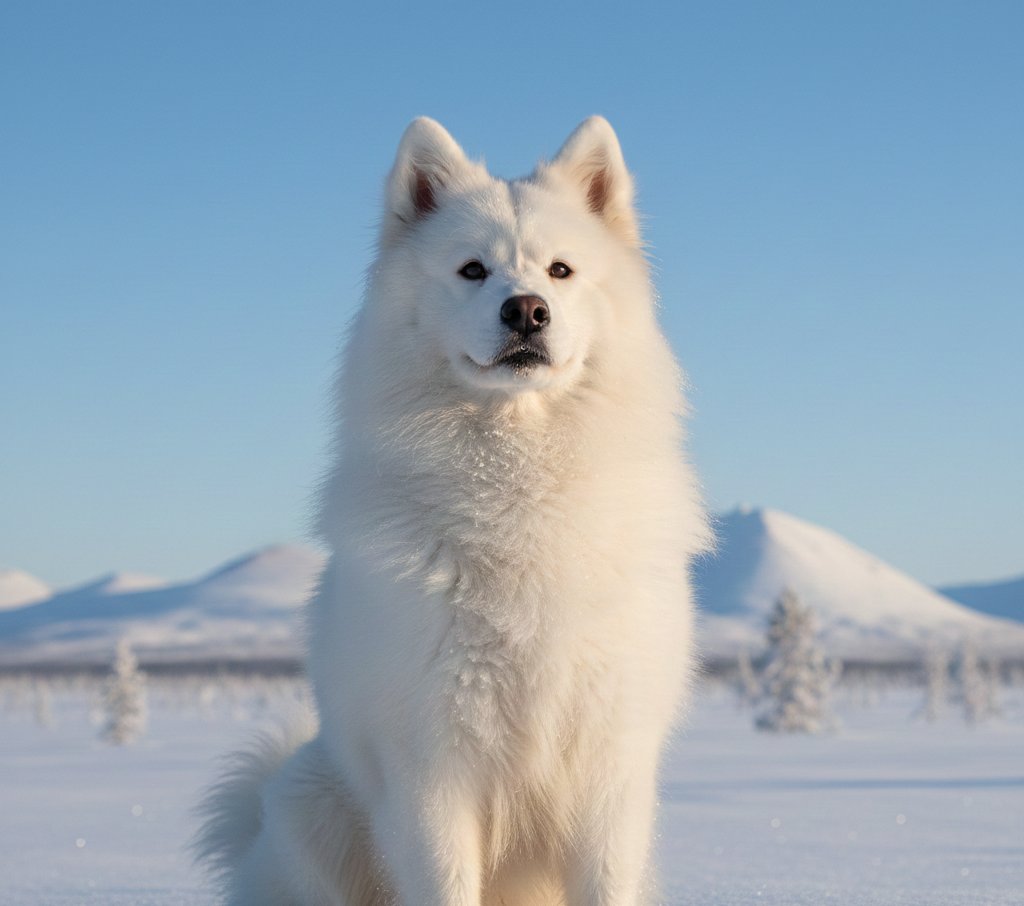
If you’ve ever seen a walking cloud with a grin, you’ve met a Samoyed dog breed. Known for their stunning white coats and gentle dispositions, these dogs are much more than just a pretty face. Originally bred for the grueling conditions of the Siberian Arctic, the Samoyed dog breed is a powerhouse of endurance, loyalty, and intelligence.
A History Forged in Ice
The Samoyed takes its name from the Samoyedic peoples of Siberia. Unlike many working breeds, Sammies lived inside the tents of their owners, keeping families warm during sub-zero nights. This history of close human contact is why they remain one of the most people-oriented breeds today. They weren’t just workers; they were family members.
The Samoyed dog breed takes its name from the Samoyedic peoples of Siberia. Unlike many working breeds, Sammies lived inside the tents of their owners, keeping families warm during sub-zero nights. This history of close human contact is why they remain one of the most people-oriented breeds today. They weren’t just workers; they were family members.
The Famous “Sammy Smile”
The iconic upturned mouth of the Samoyed is actually a brilliant piece of biological engineering. In the Arctic, any drool would instantly freeze into dangerous icicles. The “smile” keeps the mouth dry, preventing ice from forming. In a modern home, it simply makes them look like the happiest dog on the block.
Detailed Breed Characteristics
| Feature | Description |
| Coat Type | Dense, woolly undercoat with a long, harsh outer coat. |
| Grooming | High maintenance; requires brushing 2–3 times a week. |
| Trainability | Intelligent but independent; can be stubborn. |
| Noise Level | Highly vocal; known for “howling” and “singing.” |
| Compatibility | Excellent with children and generally good with other dogs. |

Living with a Samoyed: The Realities
While they are undeniably beautiful, the Samoyed isn’t for the faint of heart. Here is what you need to know before bringing one home:
1. The “Snow” Indoors
Sammies have a double coat that sheds year-round. Twice a year, they “blow” their entire undercoat, which can result in enough fur to knit a second dog. Investing in a high-quality vacuum and a professional-grade slicker brush is non-negotiable.
2. Mental and Physical Exercise
As a working breed, a bored Samoyed is a destructive Samoyed. They require at least 60 to 90 minutes of activity daily. They excel in:
-
Hiking and backpacking
-
Agility trials
-
Sledding or skijoring (pulling a person on skis)
-
Interactive puzzle toys
3. The “Talkative” Companion
Don’t expect a Samoyed to be quiet. They are famous for their “woo-woo” sounds. They will talk back to you when they’re excited, hungry, or just feel like having a chat. If you live in an apartment with thin walls, their vocal nature is something to consider.
The Best Foods for a Healthy Samoyed
1. High-Quality Animal Protein
Protein is the building block for muscle maintenance and repair. Since Samoyeds are active working dogs, they need a high percentage of protein to sustain their energy.
-
Best Sources: Chicken, turkey, lamb, beef, and bison.
-
Why: These provide essential amino acids that support everything from heart health to immune function.
2. Omega-Rich Healthy Fats
A Samoyed’s double coat is their pride and joy. To keep it shimmering and prevent dry, itchy skin, their diet must be rich in healthy fats.
-
Best Sources: Salmon oil, flaxseed, and chicken fat.
-
Why: Omega-3 and Omega-6 fatty acids reduce inflammation and provide the “glow” to their thick white fur.
3. “Coat-Safe” Carbohydrates
While grains are a common filler, many Samoyed owners opt for grain-free or low-grain diets to avoid skin allergies.
-
Best Sources: Sweet potatoes, peas, oats, or brown rice.
-
Why: These provide “slow-burn” energy without the insulin spikes caused by cheap corn or soy fillers.
4. Joint-Supporting Nutrients
Sammies are prone to hip dysplasia as they age. A diet that supports bone density and joint lubrication is vital.
-
Key Additions: Glucosamine, chondroitin, and collagen (found in bone broth).
-
Why: These help maintain the cartilage in their joints, keeping them mobile and pain-free.
3 Critical Tips for Samoyed Nutrition
Watch the Calories (The “Fluff” Trap)
It is very easy for a Samoyed to become overweight because their thick fur hides weight gain. Obesity puts massive strain on their joints and can lead to diabetes.
-
The Rib Test: You should be able to feel (but not see) your dog’s ribs through their fur. If you can’t feel them, it’s time to cut back on treats.
Avoid Fur Discoloration
High levels of copper or beta-carotene in some dog foods can actually cause a Samoyed’s pure white coat to take on a reddish or “rusty” tint.
-
Tip: If you notice your dog’s fur changing color, check your food label for excessive beet pulp or high copper additives.
Prevent Bloat
Like many deep-chested breeds, Samoyeds are at risk for Bloat (GDV), a life-threatening condition where the stomach twists.
-
Prevention: Feed two smaller meals a day instead of one large one, and avoid heavy exercise for at least 30 minutes before and after eating.


